
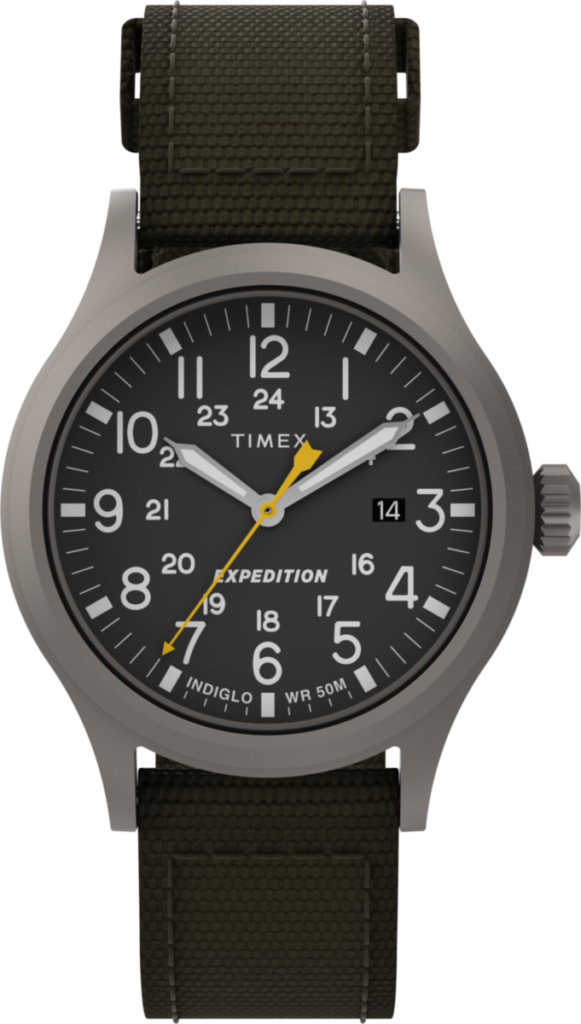
The “100 m” on a dial does not mean you can take the watch 100 metres down. It refers to a static laboratory pressure test. Moving your arm in a pool adds pressure the test does not. Here is the honest translation.
| Rating | Fine for | Not fine for | Our models |
|---|---|---|---|
| 30 m (3 ATM) | Rain, hand washing | Showers, swimming | Dress, Aurora, Fremont |
| 50 m (5 ATM) | Showers, surface swimming | Snorkelling, diving boards | Cascade, Alki, Luna |
| 100 m (10 ATM) | Swimming, snorkelling | Scuba | Rainier, Ridge, Ballard, Pike, chronographs |
| 200 m (20 ATM) | Swimming, snorkelling, recreational scuba | Saturation diving | Puget, Sound |
Three things that void any rating
- Operating the crown underwater. Pulling the crown out opens the case. Set the time on dry land. On our dive models, screw the crown back down every time.
- Hot water. Showers, hot tubs and saunas expand the seals and pull moisture in as the watch cools. Take it off.
- Old seals. Rubber gaskets dry out. A pressure test proves the seals were good on the day of the test; it does not guarantee them for years. Have the seals checked every 2–3 years if you swim with the watch, and after any battery change.
What we do before shipping
Every watch is pressure-tested to its rated depth before it leaves Seattle. If a watch fogs up under the crystal within the warranty period and you have not opened the case, that is covered — see what the warranty covers.
Leather straps and water
The case can be water resistant while the strap is not. Leather that gets wet repeatedly will stiffen and smell. If you swim with a 100 m watch, put it on the rubber or steel strap first.
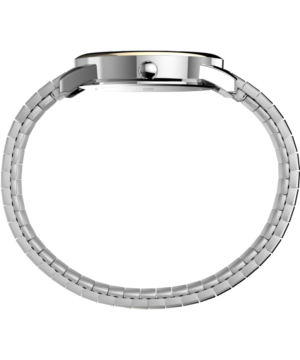
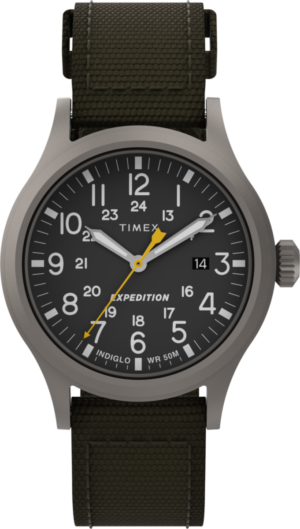
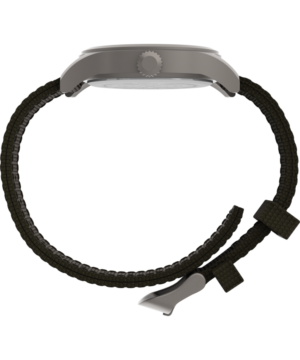
Watches mentioned in this guide
More guides
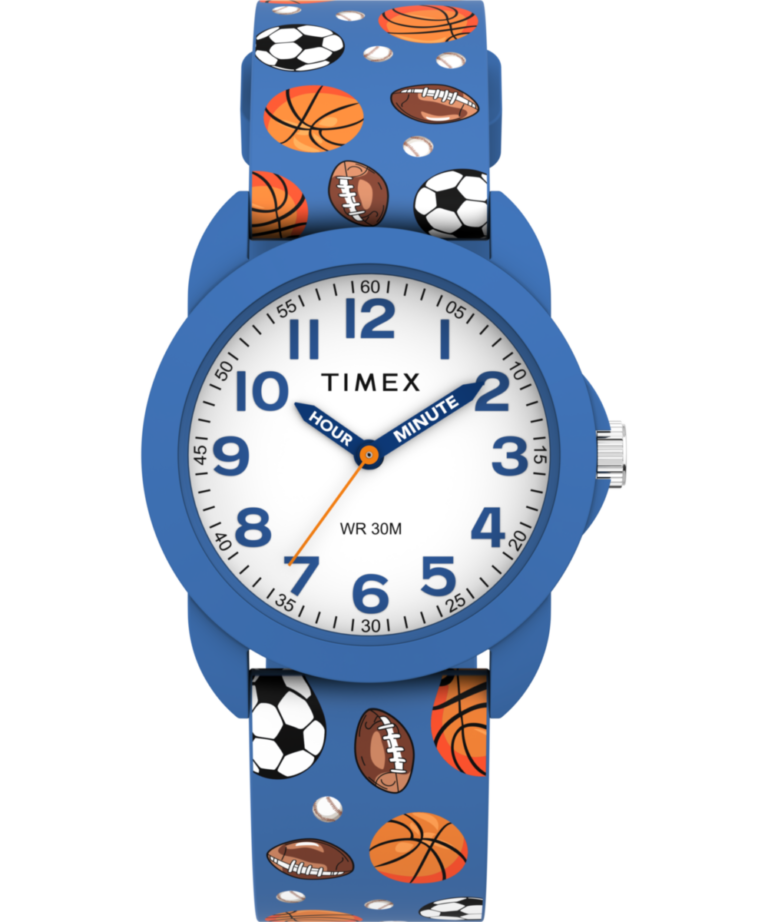
Buying a first watch for a child: what actually matters
Case size, strap type and whether the dial teaches the time — the three things that decide whether a child wears the watch or…
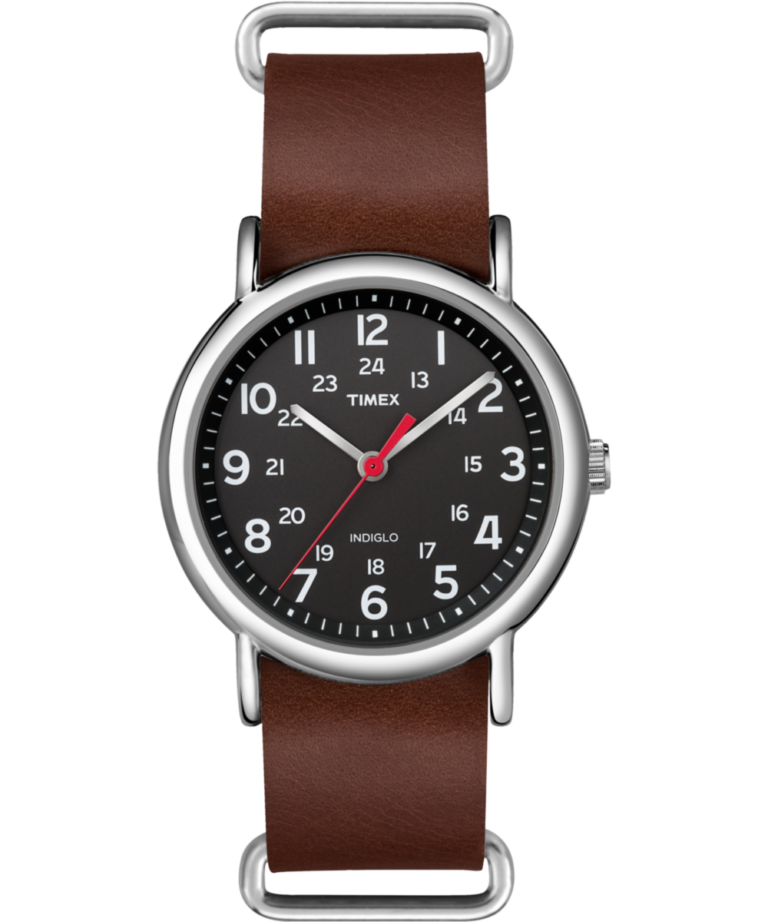
Men’s, women’s, unisex: what the labels actually mean
The categories are about case size and proportion, not about who is allowed to wear what. Here is how to read them.
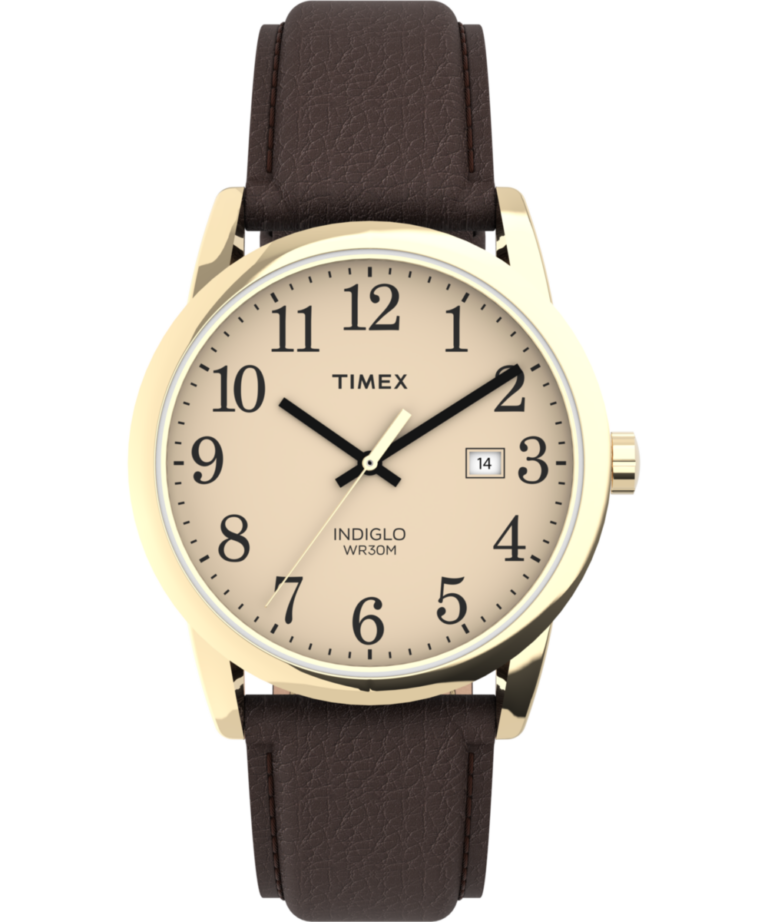
How to care for your watch so it lasts
Winding, magnets, straps, batteries, cleaning and service intervals — the few habits that make the difference between a watch that lasts and one that…