
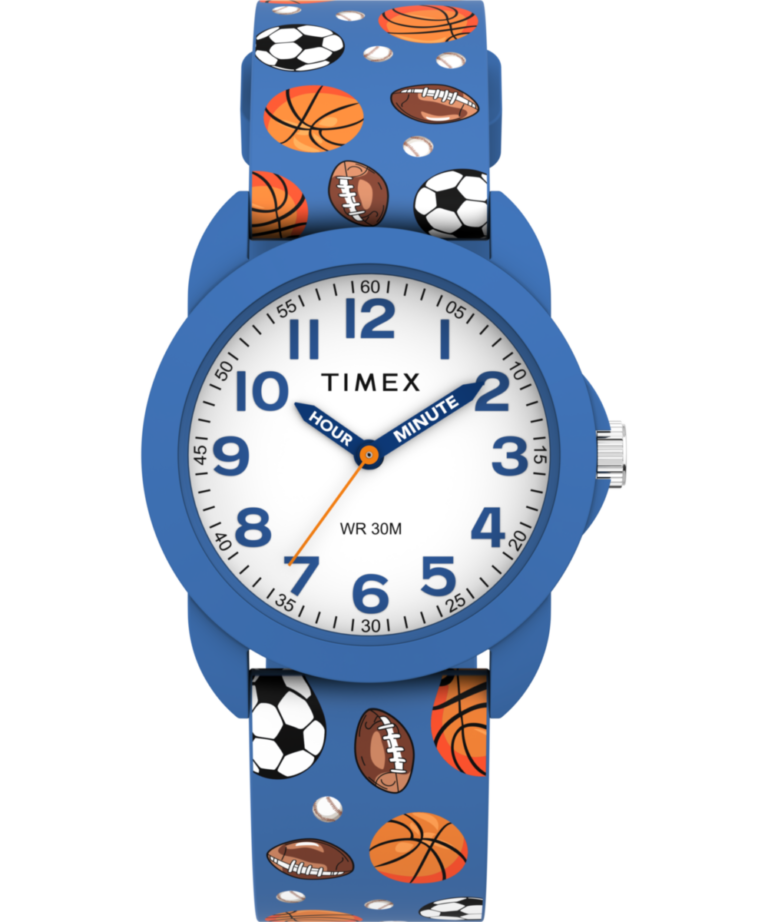
Buying a first watch for a child: what actually matters
Case size, strap type and whether the dial teaches the time — the three things that decide whether a child wears the watch or…
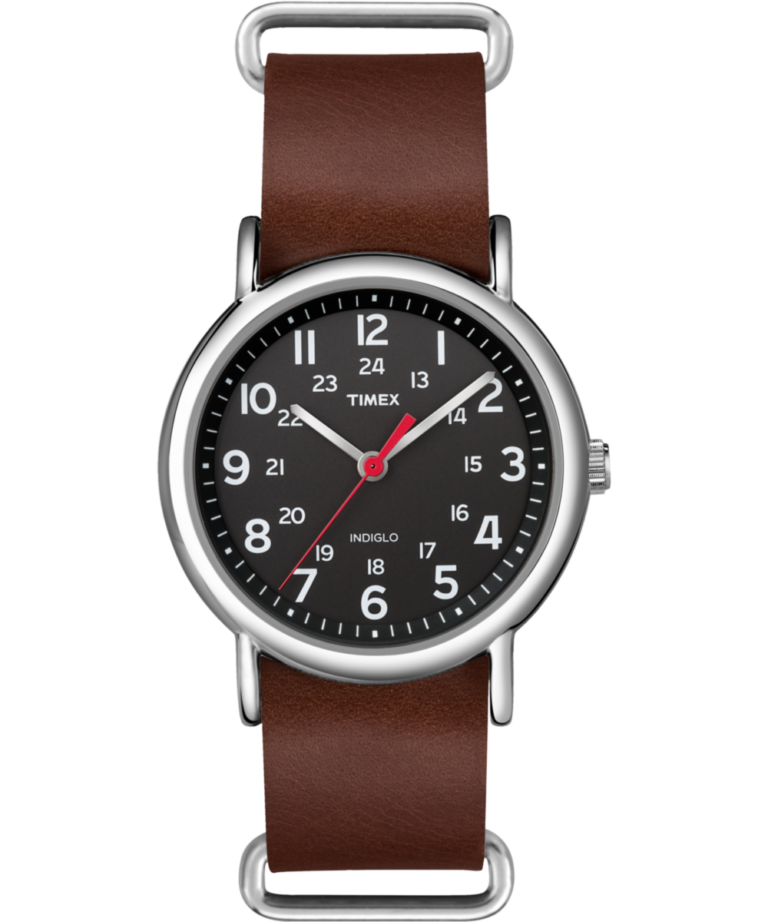
Men’s, women’s, unisex: what the labels actually mean
The categories are about case size and proportion, not about who is allowed to wear what. Here is how to read them.
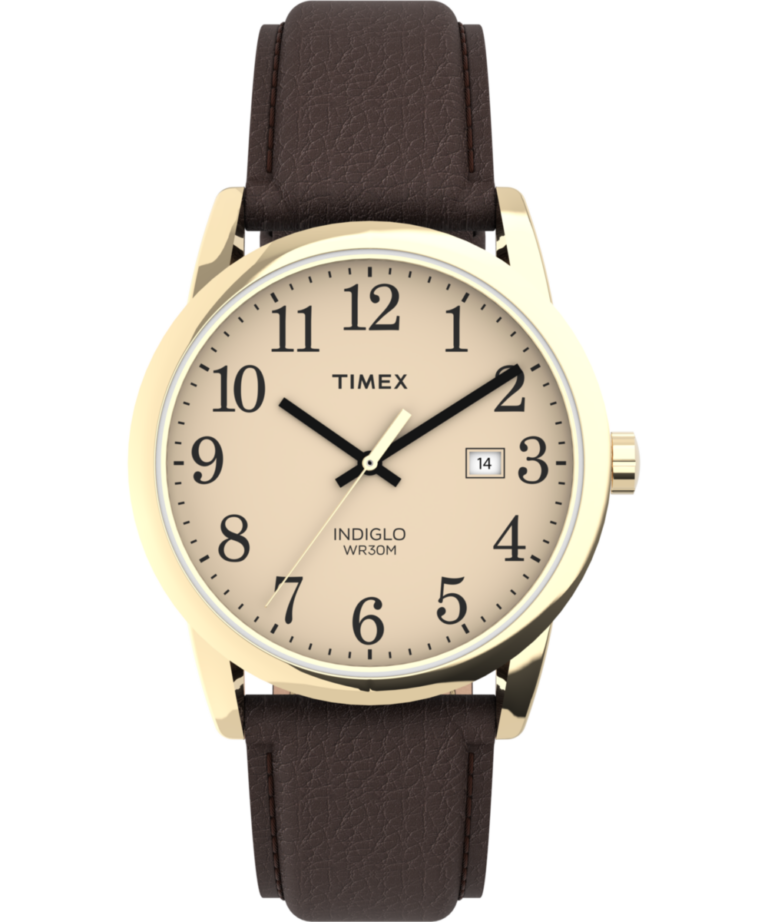
How to care for your watch so it lasts
Winding, magnets, straps, batteries, cleaning and service intervals — the few habits that make the difference between a watch that lasts and one that…
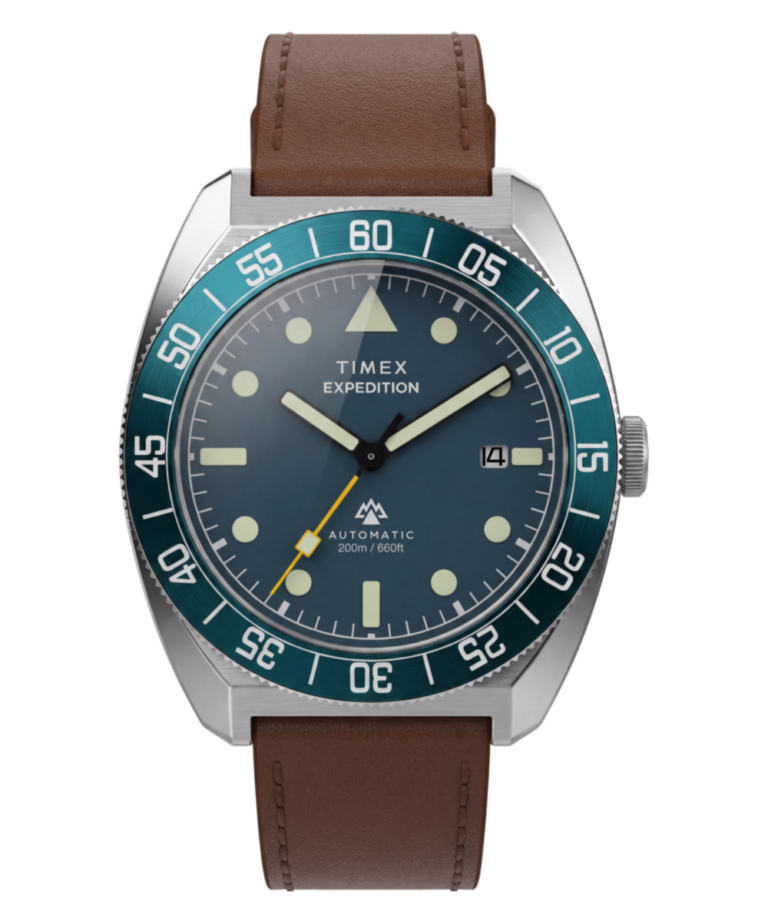
Automatic or quartz: which one suits how you actually live
One needs winding or wearing, keeps worse time and costs more. People still choose it on purpose. Here is why — and when not…
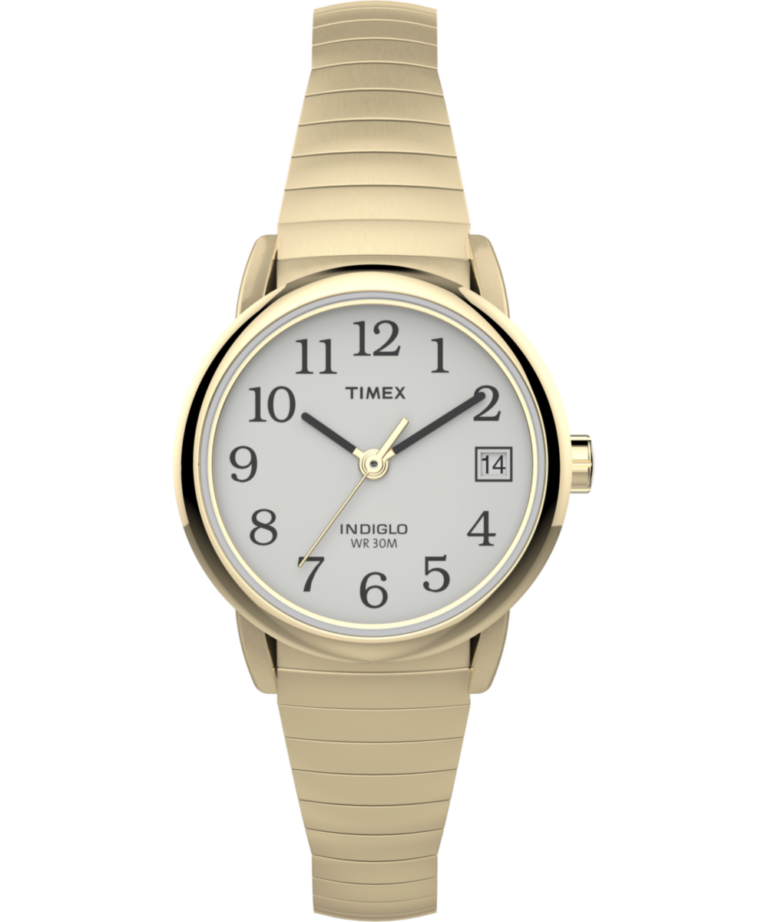
What to expect from a $150–$450 watch (and what you will not get)
Where the money goes at this price, what you genuinely do not get compared with a $3,000 watch, and the realistic accuracy to expect.
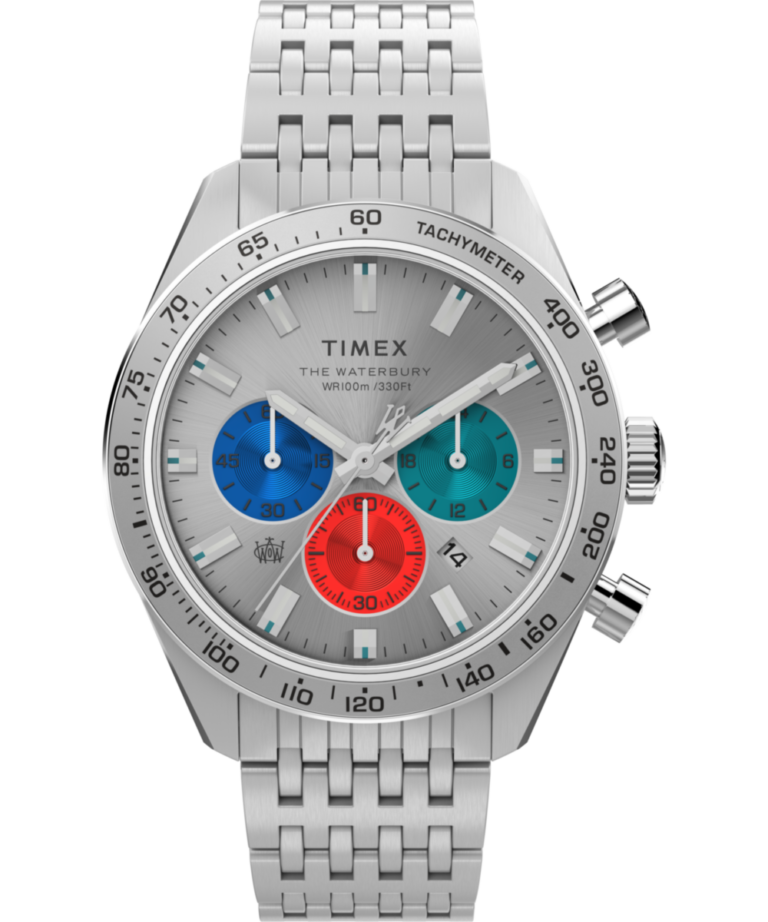
What our 24-month warranty does — and does not — cover
A plain-language version of the warranty: what is covered, the exclusions we will actually enforce, and what happens when you make a claim.
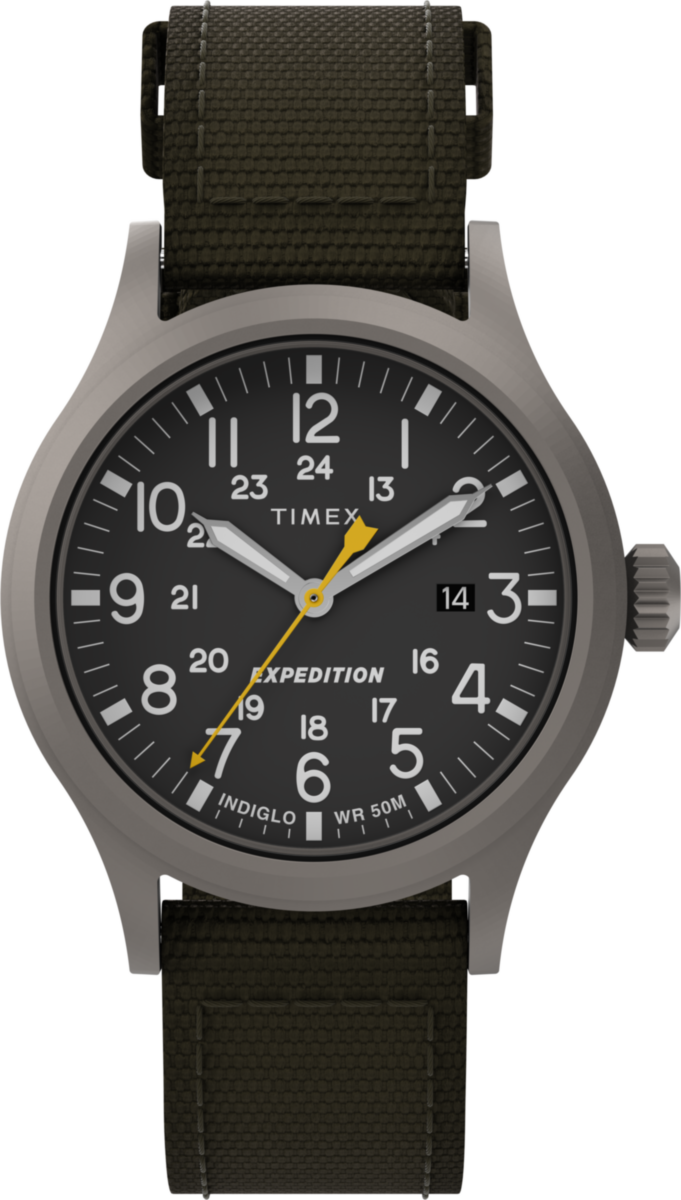
Water resistance explained: what 30, 50, 100 and 200 m really mean
The metres printed on a dial are not depths you can dive to. What each rating is actually good for, what voids it, and…
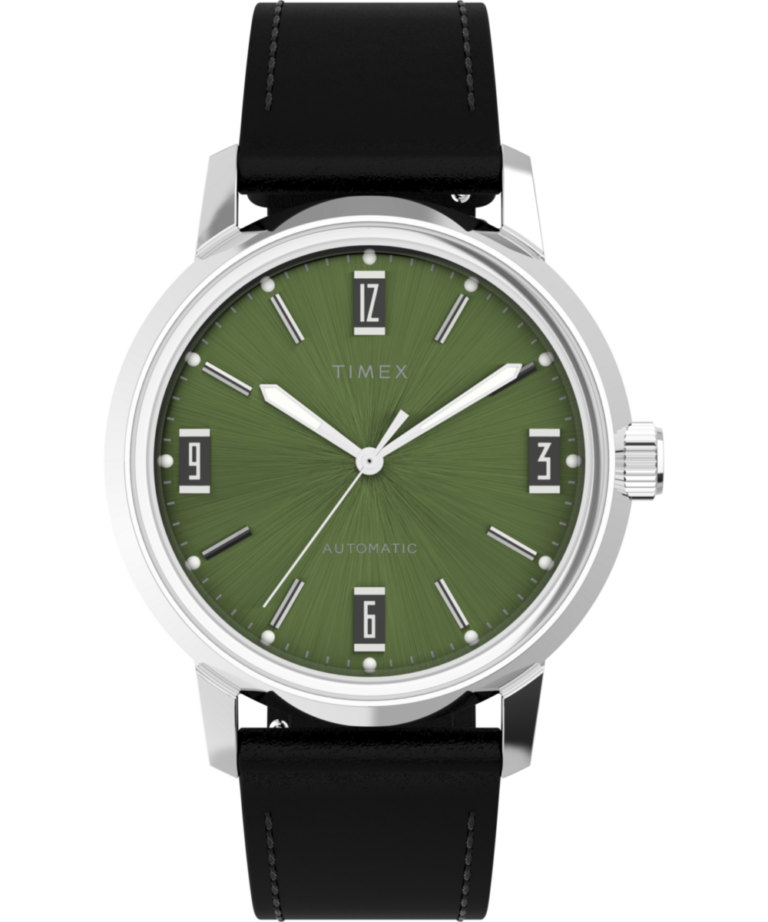
How to choose a watch size (measure your wrist first)
Case diameter is only half the story. How to measure your wrist, read lug-to-lug and thickness, and which of our sizes fit which wrists.
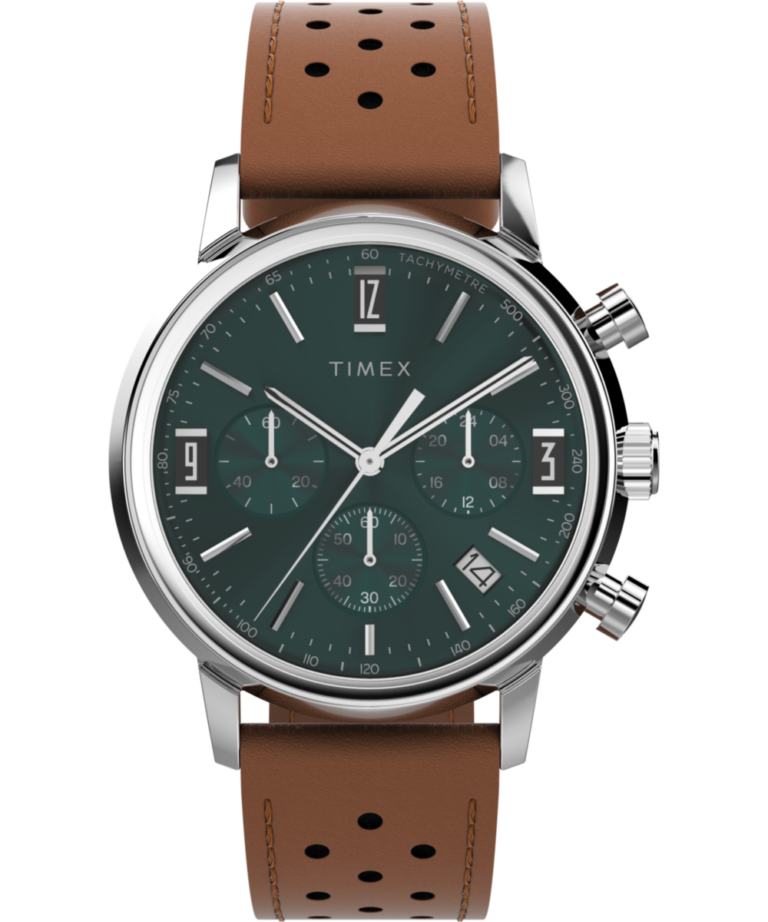
Which type of watch should you buy? An honest comparison
Automatic, quartz, chronograph, dive, field or dress — the real trade-offs of each, including the ones that might put you off.